A special project created with the support of the Jewish news portal · We sincerely love Azerbaijan — our Homeland, its people, culture, history and unique diversity.

Three centuries

How the Red Town came to be

A story of refuge, resilience and return — from a khan's promise of safety to a community that rebuilt itself.

A sanctuary on the river

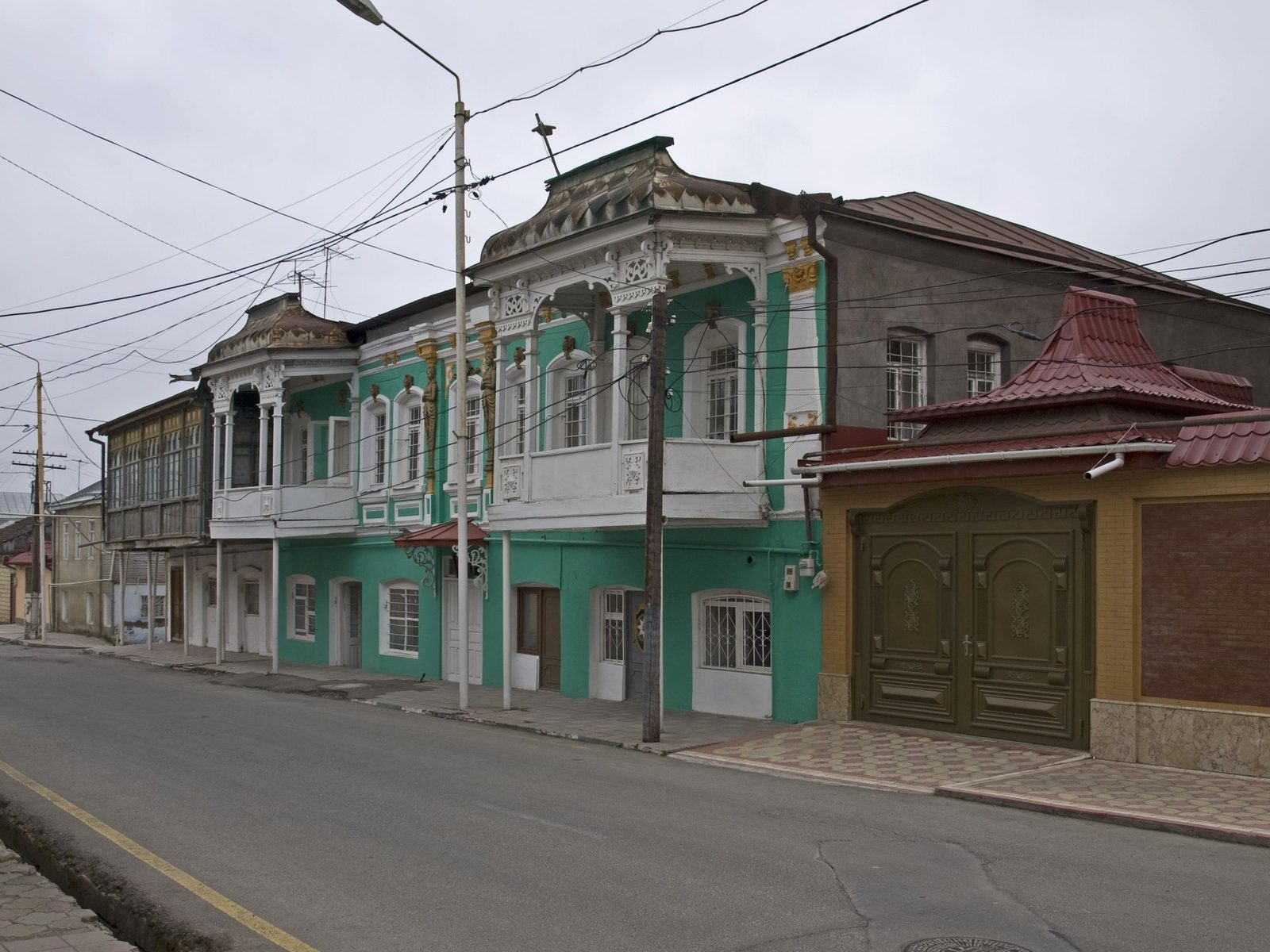
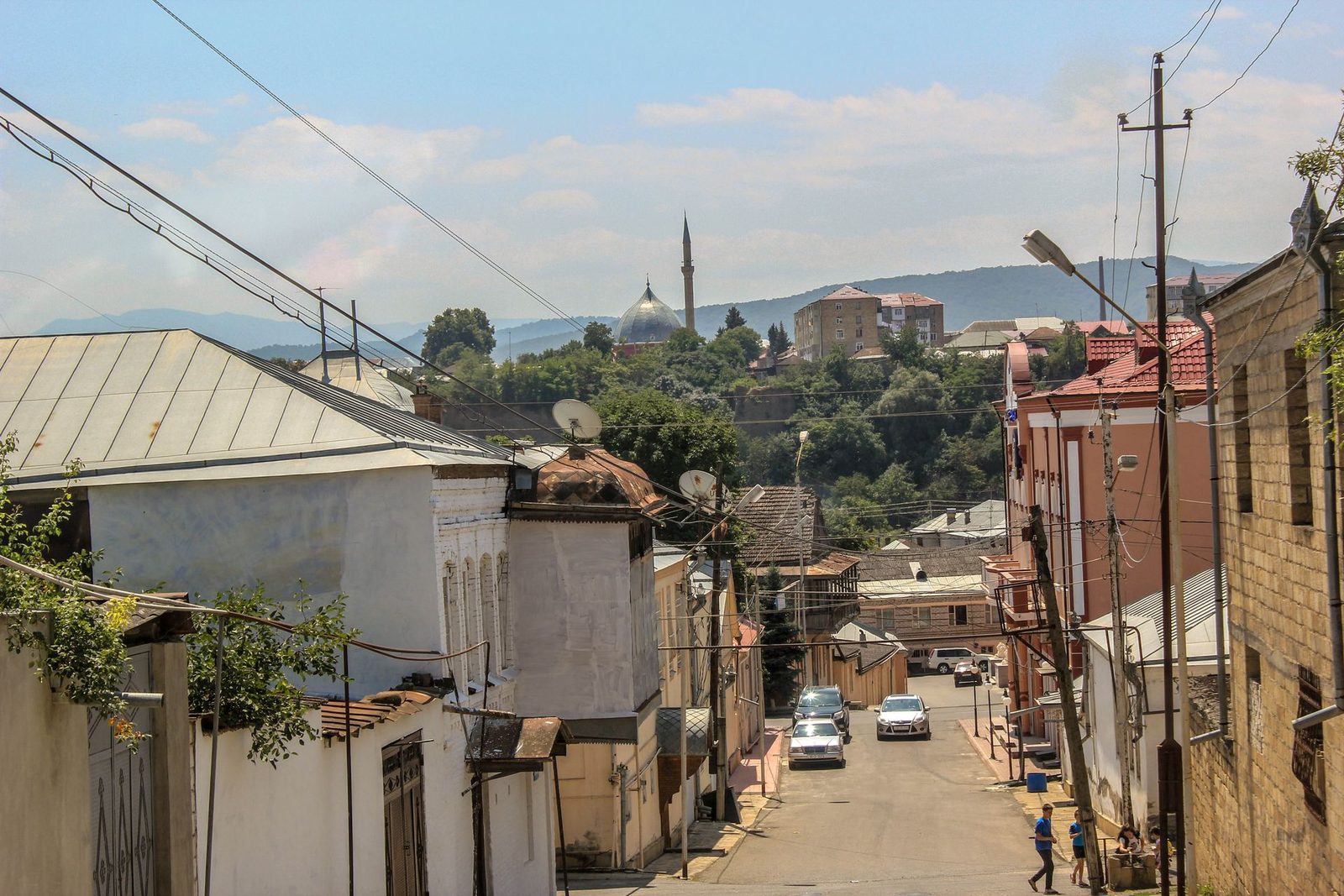
In the 18th century the rulers of the Quba Khanate invited the Mountain Jews — long settled across the Caucasus — to gather safely on the left bank of the Qudyalchay, opposite Quba. Around 1742 the settlement took shape under the protection of the khan, a rare promise of security in a turbulent age. It was first known simply as the Jewish Settlement (Yevreyskaya Sloboda).
From Jewish Settlement to Red Town

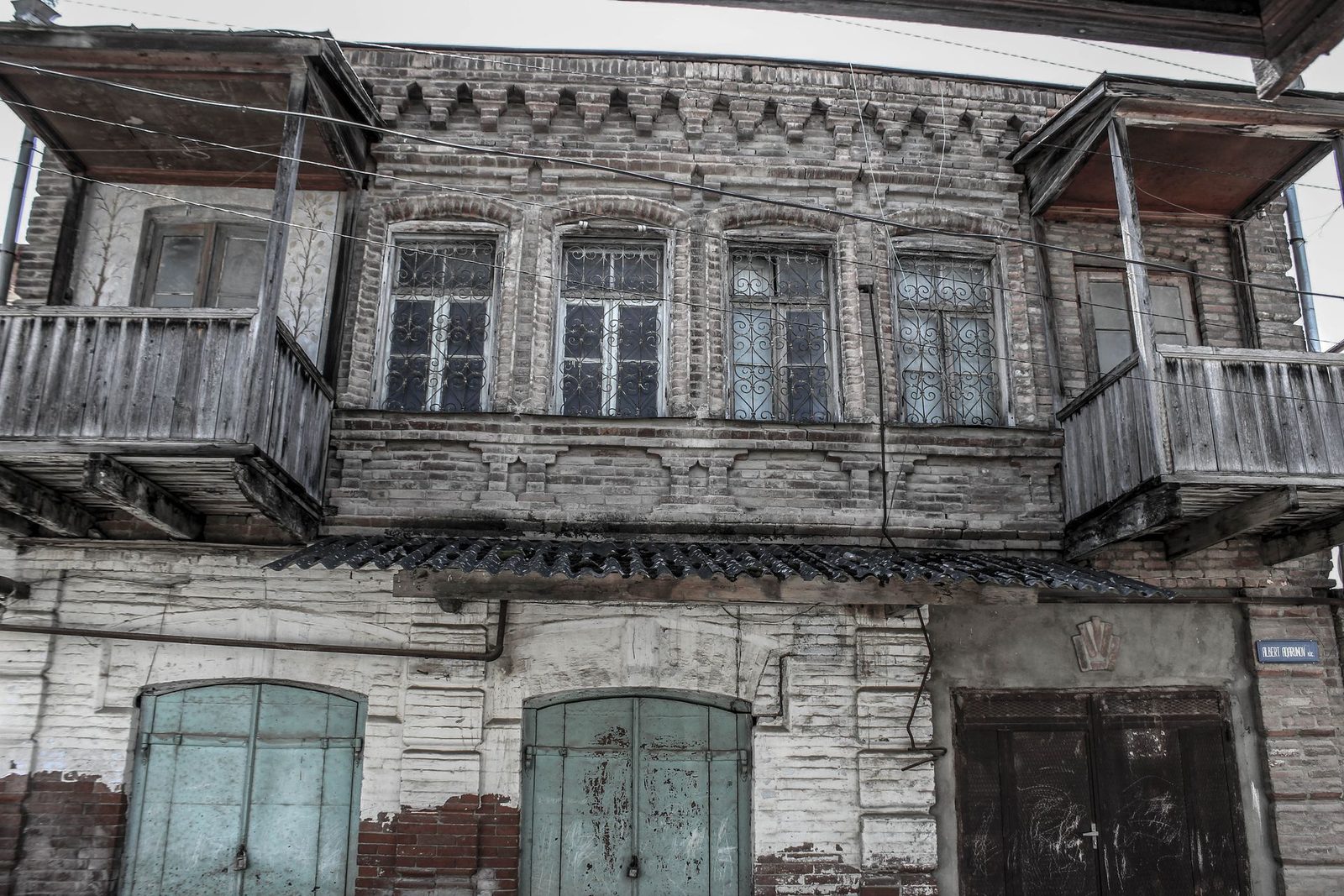
The town grew into a thriving centre of Mountain Jewish life, with dozens of synagogues, schools and trades. In the Soviet 1920s–30s it was renamed Krasnaya Sloboda — the Red Settlement — the name it still carries, alongside its Azerbaijani name, Qırmızı Qəsəbə.

A golden age

For generations the town flourished as one of the great hubs of the Juhuro world, famed for its synagogues, its tanners and merchants, and a community life lived almost entirely in the Juhuri language — something found nowhere else on earth.

Departure and return

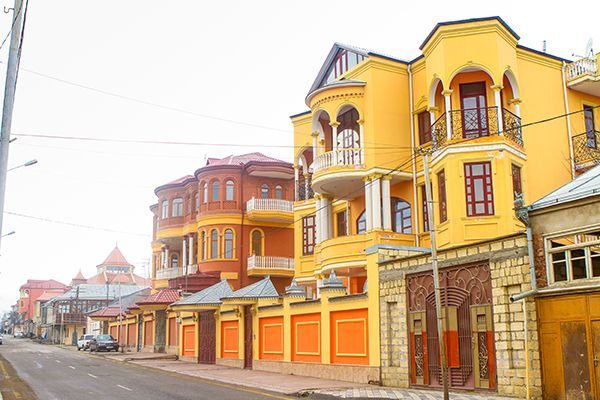
After 1990 many families emigrated to Israel, Moscow and the United States, and the population fell. Yet the bond with home held. Successful natives returned to restore what time had worn, reopening synagogues and building anew — and the town lives on, fullest of all each summer when the diaspora comes back.

Milestones

  1. c. 1742

    The settlement is founded under the protection of the Quba Khan.

  2. 1888

    The Six-Dome Synagogue is built, a landmark of the town.

  3. 1920s

    Renamed Krasnaya Sloboda — the Red Settlement — in the Soviet era.

  4. 1990s

    Waves of emigration to Israel, Moscow and New York.

  5. 2020

    The first Museum of Mountain Jews opens in a restored synagogue.